
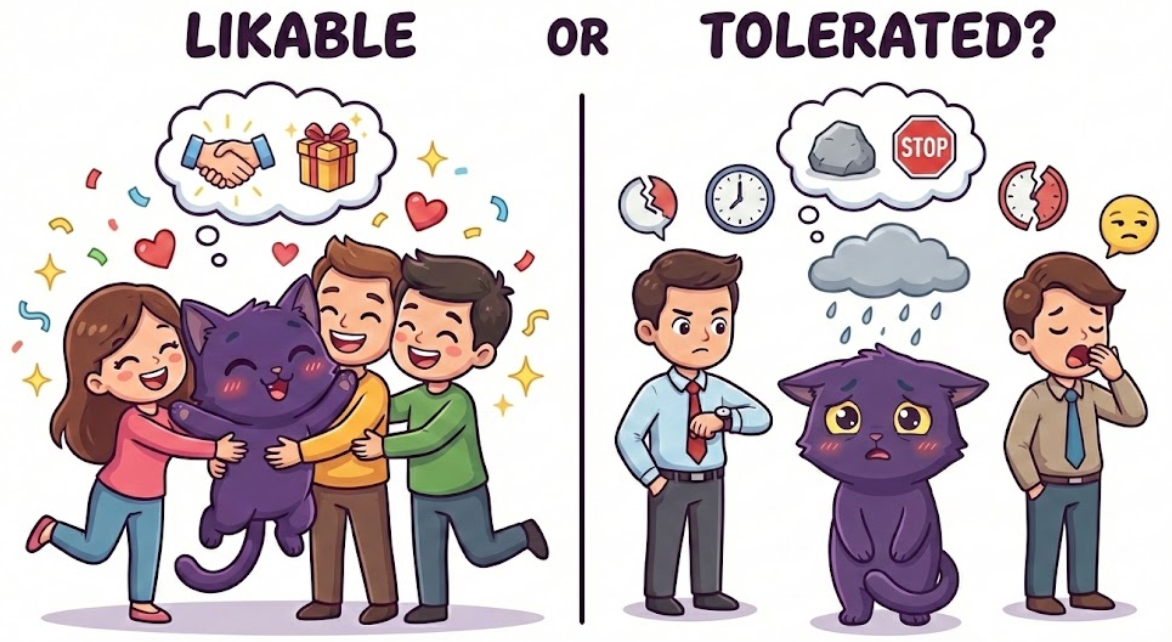
In today’s highly connected world, being likeable is often considered one of the most valuable social qualities a person can possess. Whether in personal relationships, professional environments, educational settings, or social gatherings, people naturally gravitate toward individuals who make them feel comfortable, respected, and appreciated. This has led to growing interest in the concept of the “likeable person test,” a framework that helps individuals assess how others perceive them and identify areas for personal growth.
The likeable person test is not necessarily a formal psychological examination. Instead, it is often a collection of questions, observations, and self-assessments designed to evaluate traits commonly associated with likeability. These traits may include empathy, communication skills, authenticity, kindness, emotional intelligence, and the ability to build positive relationships. The purpose is not to judge individuals but to provide insight into behaviors that influence social interactions.
Many people mistakenly believe that being likeable means being popular or pleasing everyone around them. In reality, genuine likeability is rooted in authenticity and respect. A person who is truly likeable does not need to seek constant approval from others. Instead, they create positive experiences through their actions, attitudes, and interactions. The likeable person test helps uncover these qualities and highlights areas where improvement may be beneficial.
Understanding your level of likeability can lead to stronger friendships, better workplace relationships, and greater self-confidence. By taking a thoughtful approach to self-assessment, individuals can develop habits that foster trust and connection. As we explore the concept further, it becomes clear that likeability is not an inborn trait reserved for a select few. Rather, it is a set of skills and behaviors that anyone can cultivate over time.
What Is a Likeable Person Test?
A likeable person test is typically a questionnaire or self-reflection exercise designed to evaluate social characteristics that contribute to positive interpersonal relationships. These tests often ask participants how they react in certain situations, communicate with others, handle disagreements, and demonstrate empathy. The results provide an indication of how others may perceive them in social settings.
One of the primary goals of a likeable person test is self-awareness. Many people are unaware of habits or behaviors that may affect their relationships. For example, someone may frequently interrupt conversations without realizing it, while another person may struggle to express appreciation for others. A well-designed test can bring attention to these patterns and encourage positive change.
Unlike personality tests that categorize individuals into specific types, a likeable person test focuses on behaviors rather than identity. This distinction is important because behaviors can be modified and improved. If a test reveals weaknesses in communication or emotional intelligence, individuals can actively work on these areas to become more effective and enjoyable companions.
The popularity of these tests has increased significantly due to social media and online personality assessments. While some online quizzes are created for entertainment purposes, others are based on established psychological principles. Regardless of the format, the underlying objective remains the same: helping individuals understand how their actions influence the perceptions and experiences of those around them.
Key Traits Measured in a Likeable Person Test
One of the most important aspects of any likeable person test is identifying the qualities that contribute to positive social interactions. Several traits consistently appear in research and discussions about likeability, making them central components of these assessments.
Empathy is perhaps the most significant trait measured. Empathetic individuals can understand and share the feelings of others, making people feel valued and understood. When someone listens attentively and responds with compassion, they naturally become more approachable and trustworthy. Likeable person tests often include questions that assess the ability to recognize and respond to emotional cues.
Communication skills are another critical factor. Effective communicators express themselves clearly while also being attentive listeners. People generally enjoy interacting with individuals who can engage in meaningful conversations without dominating them. Tests may evaluate how well a person listens, asks thoughtful questions, and maintains respectful dialogue.
Authenticity also plays a major role in likeability. Genuine individuals tend to build stronger relationships because others perceive them as honest and reliable. Pretending to be someone else or constantly seeking approval can create barriers to authentic connection. Likeable person tests often explore whether individuals remain true to their values and personality in different social situations.
Finally, positivity and kindness are commonly measured traits. People naturally appreciate those who bring encouragement, optimism, and support into their lives. This does not mean ignoring challenges or pretending everything is perfect. Rather, it involves maintaining a constructive attitude and treating others with respect. A person who consistently demonstrates kindness often leaves a lasting positive impression.
Why Likeability Matters in Everyday Life
Likeability influences nearly every aspect of human interaction. From making new friends to advancing in a career, the ability to connect with others can open doors and create opportunities. While competence and intelligence are important, people are often more willing to collaborate with individuals they genuinely enjoy being around.
In professional settings, likeable employees frequently experience stronger teamwork and communication. Colleagues are more likely to seek their input, offer support, and work collaboratively toward shared goals. Managers often value employees who contribute positively to workplace culture because they help foster a productive and harmonious environment.
Personal relationships also benefit from likeability. Friends and family members appreciate individuals who are considerate, trustworthy, and emotionally supportive. Strong relationships are built on mutual respect and understanding, qualities that are often highlighted in likeable person assessments. By developing these traits, individuals can strengthen existing bonds and create new meaningful connections.
Beyond external relationships, likeability can impact self-esteem and overall well-being. People who communicate effectively and maintain positive relationships often feel more confident and socially fulfilled. They experience fewer conflicts and enjoy greater emotional support from those around them. As a result, investing time in understanding and improving likeability can have significant long-term benefits.
Common Questions Found in a Likeable Person Test
Most likeable person tests include a series of questions designed to assess social habits and interpersonal behaviors. Likeable Person Test These questions encourage honest reflection and provide insight into strengths and weaknesses. Understanding the types of questions commonly included can help individuals better interpret their results.
One common question might ask how often a person listens without interrupting. Active listening is a fundamental component of effective communication and demonstrates respect for others. People who consistently allow others to express themselves are often perceived as considerate and attentive.
Another frequently asked question relates to handling disagreements. Likeable individuals can disagree respectfully without becoming hostile or dismissive. Tests may explore whether a person remains calm during conflicts, seeks compromise, and values differing perspectives. These behaviors contribute significantly to positive social interactions.
Questions about empathy are also prevalent. Participants may be asked how they respond when someone shares a personal challenge or emotional experience. The goal is to determine whether they demonstrate understanding and support rather than judgment or indifference. Empathy is a cornerstone of meaningful relationships and a major predictor of likeability.
Additionally, tests often examine generosity and appreciation. Individuals may be asked whether they regularly express gratitude, acknowledge others’ contributions, or offer help when needed. These seemingly small actions can have a profound impact on how people are perceived and remembered.
Signs That You Are a Highly Likeable Person
There are several indicators that suggest a person is highly likeable, even without taking a formal assessment. One of the most obvious signs is that people frequently seek out their company. Friends, colleagues, and acquaintances enjoy spending time with them because interactions feel positive and rewarding.
Another sign is that others feel comfortable sharing personal thoughts and experiences. This level of trust typically develops when someone demonstrates empathy, confidentiality, and genuine interest in others. Likeable individuals create environments where people feel safe expressing themselves.
Highly likeable people are also often remembered for their kindness. They acknowledge others’ achievements, offer encouragement during difficult times, and treat everyone with respect regardless of status or background. These behaviors contribute to a reputation for warmth and integrity.
Finally, likeable individuals tend to maintain strong and lasting relationships. While no one can avoid conflict entirely, they possess the communication skills and emotional intelligence necessary to navigate challenges effectively. Their relationships are built on mutual trust, respect, and understanding, making them resilient over time.
Continue with Part 2 for the remaining 1,200+ words covering: How to Improve Your Likeability Score, Common Mistakes That Reduce Likeability, The Psychology Behind Likeability, Benefits of Taking a Likeable Person Test, and a comprehensive Conclusion.