
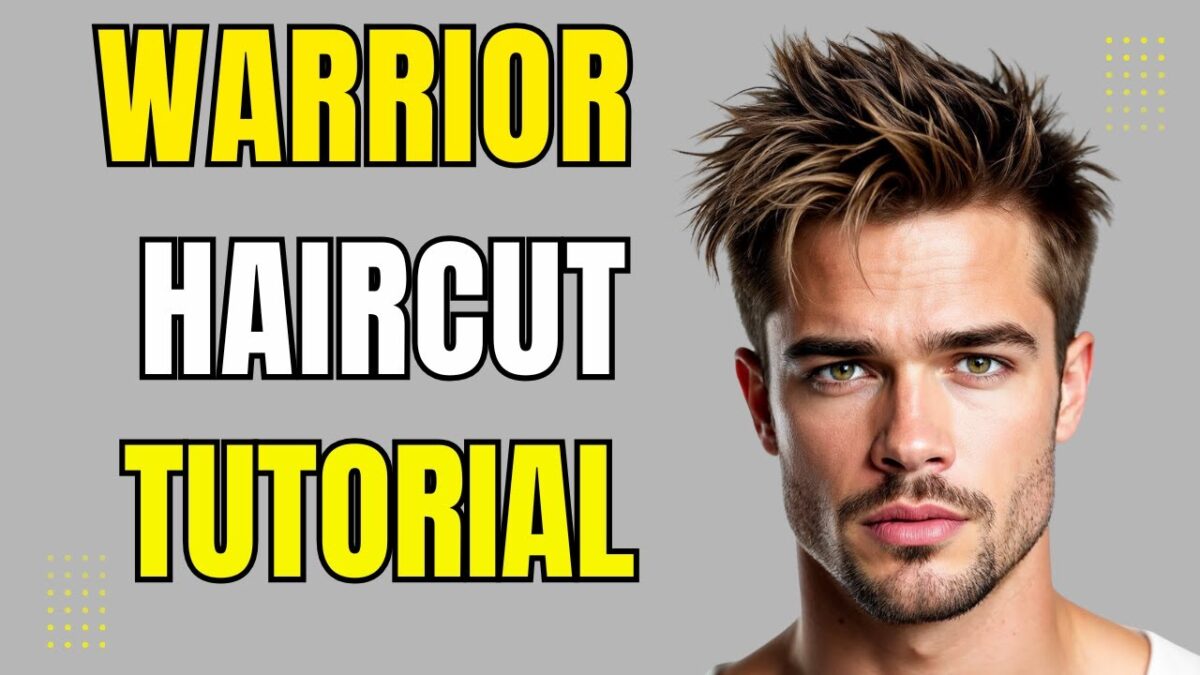
The warrior cut has become one of the most talked-about hairstyles in recent years. It combines rugged masculinity, modern grooming trends, and timeless confidence into a single look that stands out almost anywhere. While some hairstyles come and go quickly, the warrior cut has managed to stay relevant because it works across different hair types, face shapes, and personal styles. Whether someone wants a sharp professional appearance or a rebellious modern vibe, this haircut can easily adapt.
What makes the warrior cut especially interesting is the way it mixes classic warrior-inspired aesthetics with contemporary barbering techniques. It often features shorter sides, textured layers, and a powerful top section that creates structure and movement. Some variations lean toward Viking-inspired looks, while others resemble military cuts with a stylish upgrade. Because of this flexibility, the warrior cut appeals to athletes, actors, influencers, students, and professionals alike.
Another reason for the hairstyle’s popularity is the growing focus on self-image and personal branding. Hairstyles are no longer viewed as simple grooming choices. They have become part of how people communicate confidence, personality, and identity. The warrior cut sends a message of strength and determination without appearing overly aggressive. It strikes a balance between disciplined grooming and expressive style.
This article explores everything about the warrior cut, including its origins, modern variations, styling methods, maintenance routines, and why it continues to dominate men’s grooming trends. If you are considering trying this haircut or simply want to understand why it has become so popular, this detailed guide covers all the essential information.
The Origins and Meaning Behind the Warrior Cut
The term “warrior cut” may sound modern, but its inspiration stretches back centuries. Throughout history, warriors from different cultures maintained distinctive hairstyles that represented power, discipline, and identity. From Viking braids to Samurai topknots, hair often symbolized status and readiness for battle. Modern barbers have borrowed elements from these historic styles and reshaped them into something wearable for everyday life.
Ancient warriors often kept hairstyles that balanced practicality with intimidation. Vikings, for example, shaved parts of their heads while leaving the top longer to manage hair during combat. Samurai warriors tied their hair into structured knots that reflected honor and discipline. Tribal fighters in many regions used hairstyles as markers of rank, courage, or achievement. Today’s warrior cut captures some of that symbolism while adapting it for modern fashion.
The modern version of the warrior cut became more noticeable through social media and entertainment culture. Action movie stars, athletes, and fitness influencers began wearing textured cuts with faded sides and longer tops. These styles projected confidence and toughness while remaining stylish enough for everyday wear. As trends spread across platforms like Instagram and TikTok, the warrior cut evolved into a mainstream grooming choice.
Interestingly, the name itself contributes heavily to the haircut’s popularity. The word “warrior” naturally creates associations with resilience, courage, and strength. Many people choose this haircut because it makes them feel sharper and more confident. While it may simply be a hairstyle, the psychological effect of adopting a bold appearance can significantly influence self-esteem and social presence.
The warrior cut also aligns with modern fashion trends that celebrate individuality. Unlike extremely traditional haircuts, it allows customization. Some people prefer dramatic fades and edgy texture, while others opt for a softer, more professional version. This flexibility ensures the hairstyle remains relevant across generations and style preferences.
Key Features That Define a Warrior Cut
One of the reasons the warrior cut stands out is its unique combination of structure and texture. Unlike standard haircuts that follow a single pattern, the warrior cut includes several defining elements that create its signature appearance. Understanding these features helps explain why the style works so well for many people.
The most noticeable characteristic is the contrast between the sides and the top. The sides are usually shorter, faded, or tapered, while the top remains longer and fuller. This creates visual sharpness and gives the hairstyle a commanding appearance. Depending on personal preference, the fade can range from subtle to dramatic.
Texture is another essential feature. Warrior cuts rarely look flat or overly polished. Instead, they embrace movement and layered styling. Barbers often use scissors or razors to create uneven texture that gives the hair a natural, rugged look. This textured appearance contributes heavily to the hairstyle’s masculine identity.
Volume also plays an important role. Many warrior cuts include lifted or swept-back tops that add height and dimension. This helps frame the face while creating a more powerful overall silhouette. People with thick hair often find this especially flattering because the hairstyle enhances natural density.
Sharp lines and clean edges further define the look. Even though the hairstyle may appear rugged, precision remains important. Clean hairlines, detailed fades, and properly blended layers ensure the cut looks intentional rather than messy. A skilled barber can create a warrior cut that appears effortlessly stylish while still maintaining technical balance.
Another defining aspect is versatility. Some warrior cuts incorporate undercuts, pompadour-inspired tops, or even braids and tied sections. Others remain minimal and understated. This ability to evolve and adapt makes the hairstyle appealing to a wide audience.
Ultimately, the warrior cut succeeds because it combines modern grooming precision with raw masculine energy. It feels bold without being excessive, making it one of the most wearable statement hairstyles available today.
Different Types of Warrior Cuts
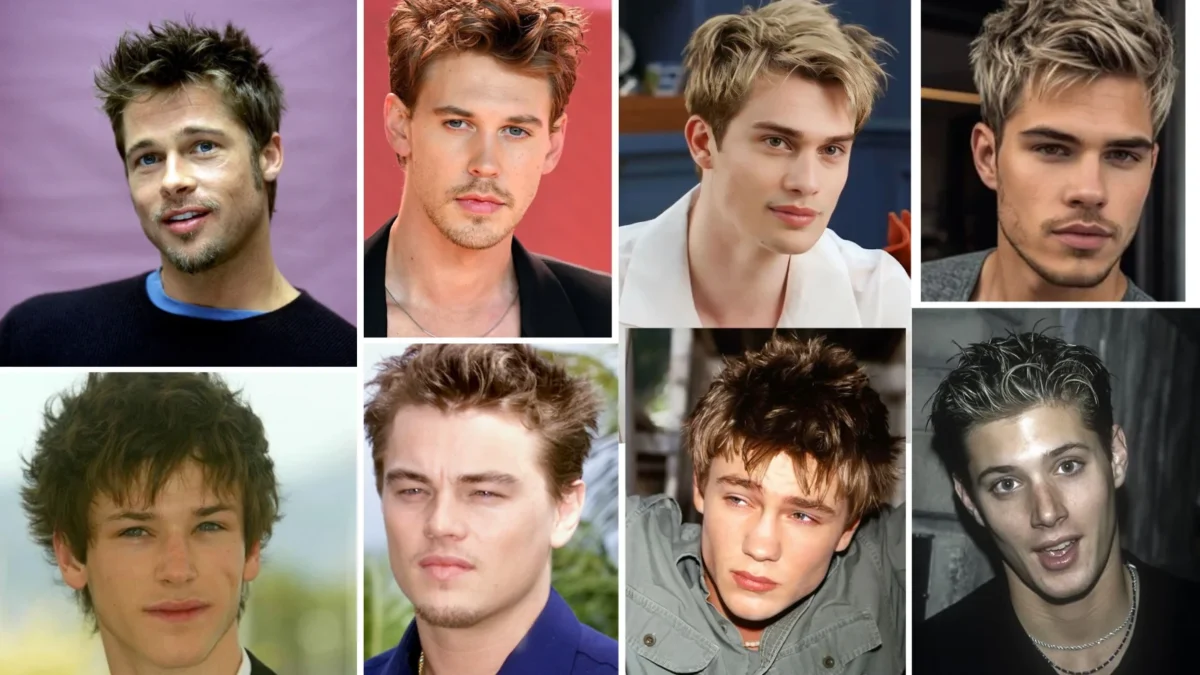
The warrior cut is not limited to one specific design. Instead, it includes several variations that suit different personalities, lifestyles, and hair textures. This diversity is one reason the hairstyle continues to grow in popularity.
Classic Warrior Cut
The classic warrior cut usually features faded sides with a medium-length textured top. This version is balanced and wearable, making it ideal for beginners who want a bold hairstyle without going too extreme. It works well in both casual and professional settings.
The classic version often includes brushed-back styling or a slightly messy textured finish. Because it is versatile, it remains one of the most requested variations in modern barber shops.
Another advantage is low maintenance. While styling products can improve the look, the haircut still appears attractive with minimal effort. This practicality makes it appealing for busy lifestyles.
Its timeless appearance ensures it does not feel overly trendy. Instead, it offers a polished yet masculine image that can remain stylish for years.
Viking Warrior Cut
The Viking-inspired variation embraces ruggedness more aggressively. It may include longer hair on top, shaved sides, braids, or tied-back sections. This version draws direct inspiration from Norse warrior aesthetics and often appears more dramatic.
People with thick or long hair tend to prefer this style because it allows for greater creativity. Braided elements can add personality while reinforcing the warrior theme.
This version is especially popular among fitness enthusiasts, musicians, and social media influencers who want a highly recognizable appearance. It photographs well and creates a strong visual impact.
However, the Viking variation usually requires more maintenance and styling time. Long hair demands proper care to prevent dryness and tangling.
Modern Fade Warrior Cut
The fade warrior cut focuses on clean barbering techniques. High fades, skin fades, or burst fades create sharp contrast with the textured top. This version feels contemporary and fashionable.
Younger audiences often gravitate toward this style because it aligns with current streetwear and urban fashion trends. It pairs especially well with beards and athletic builds.
Barbers can customize the fade intensity depending on the client’s preference. Some people prefer subtle transitions, while others choose ultra-clean skin fades for maximum sharpness.
This variation works exceptionally well for people who want a hairstyle that appears highly groomed while still maintaining masculine edge.
Curly Warrior Cut
Curly-haired individuals can also enjoy the warrior cut. Instead of forcing the hair into a straight structure, this variation embraces natural curls and texture.
Short faded sides combined with voluminous curls on top create a striking appearance. The natural movement of curly hair adds personality and dimension that straight hair styles sometimes lack.
Proper hydration and curl-enhancing products become essential for maintaining this version. Healthy curls are the foundation of making the style look intentional rather than frizzy.
The curly warrior cut proves that the hairstyle is highly adaptable across different hair types and textures.
Why the Warrior Cut Became So Popular
The rise of the warrior cut is closely connected to broader changes in fashion, fitness culture, and social media influence. Modern audiences increasingly prefer styles that communicate individuality and confidence, and this haircut delivers both effectively.
Social media platforms played a massive role in spreading the trend. Short-form videos and high-quality grooming content exposed millions of viewers to stylish barber transformations. Warrior cuts consistently performed well visually because they provide dramatic before-and-after results.
Celebrity influence also contributed heavily. Athletes, actors, and musicians adopted variations of the warrior cut, helping normalize bold grooming choices. Once influential figures began wearing textured fades and warrior-inspired styles, fans quickly followed.
The fitness industry further accelerated the trend. Many gym enthusiasts prefer hairstyles that appear clean, masculine, and practical during workouts. The warrior cut complements athletic lifestyles while still looking fashionable outside the gym.
Another factor is the growing popularity of men’s grooming culture. Modern men invest far more time and money into appearance than previous generations. Barbershops have evolved into style-focused spaces where clients seek customized looks rather than basic haircuts. The warrior cut perfectly matches this shift toward personal style expression.
Psychology also matters. People often choose hairstyles that help them feel stronger or more attractive. The warrior cut’s association with power and resilience creates emotional appeal beyond aesthetics alone. Even subtle grooming changes can influence confidence levels significantly.
Importantly, the hairstyle works across multiple age groups. Teenagers appreciate its trendy appearance, while older adults enjoy its mature masculinity. This broad appeal ensures the trend remains relevant instead of fading quickly like many fashion crazes.
How to Ask Your Barber for a Warrior Cut
Getting the perfect warrior cut requires clear communication with your barber. Many clients make the mistake of using general terms without explaining the exact look they want. Since the warrior cut includes many variations, details matter.
The best approach is bringing reference photos. Visual examples help eliminate confusion and allow the barber to understand the desired length, texture, and fade style. Photos also make it easier to discuss realistic expectations based on hair type.
Describe the fade preference clearly. Decide whether you want a low fade, mid fade, high fade, taper, or skin fade. This detail dramatically changes the final appearance of the haircut.
Discuss the top length as well. Some warrior cuts involve short textured tops, while others require several inches of length for styling flexibility. The barber needs this information before beginning the cut.
Texture should also be mentioned. If you prefer messy styling, layered movement, or sharp structured volume, communicate it directly. Skilled barbers often use different cutting techniques depending on the desired finish.
Face shape matters too. A good barber can modify the warrior cut to complement facial structure. For example, taller hairstyles may suit round faces, while softer texture can balance sharp jawlines.
Finally, ask about maintenance expectations. Some warrior cuts require frequent trims every two to three weeks, while others can grow out more naturally. Understanding upkeep helps prevent disappointment later.
Best Hair Products for Styling a Warrior Cut
Styling products play a major role in achieving the ideal warrior cut appearance. The right product depends on hair type, desired texture, and overall finish.
Matte clay is one of the most popular choices. It provides strong hold without excessive shine, helping create a rugged natural appearance. Matte clay works especially well for textured tops and messy styles.
Pomade offers a smoother, shinier finish. People who prefer polished warrior cuts with slicked-back styling often choose pomade. However, excessive shine may reduce the rugged effect associated with the hairstyle.
Sea salt spray is another valuable product. It enhances texture and volume while creating a relaxed, beach-inspired appearance. Many barbers use sea salt spray before blow-drying to build movement.
Hair powder can add extra lift for thin or flat hair. It creates volume without making the hair stiff or greasy. This is particularly useful for maintaining height throughout the day.
For curly warrior cuts, curl creams and leave-in conditioners become essential. These products help define curls while reducing frizz and dryness.
A quality blow dryer also makes a noticeable difference. Proper blow-drying techniques help shape the hairstyle and improve product performance. Many people underestimate how important heat styling can be for achieving professional-looking results.
Ultimately, product choice should enhance natural hair texture rather than fight against it. The best warrior cuts look confident and effortless, not overly stiff or artificial.
Maintaining a Warrior Cut Properly
A warrior cut looks best when properly maintained. Even the sharpest haircut can quickly lose its appeal without regular care and grooming habits.
Frequent trims are essential, especially for faded styles. Most people schedule barber visits every two to four weeks to keep the sides clean and maintain sharp contrast. Allowing fades to overgrow can reduce the haircut’s visual impact.
Hair washing routines should also be balanced. Overwashing strips natural oils and can make hair dry or difficult to style. Using a gentle shampoo two to four times weekly usually works well for most hair types.
Conditioner is equally important. Healthy hair creates better texture, shine, and manageability. Many men overlook conditioning, but it significantly improves overall appearance.
Heat protection products should be used before blow-drying or styling with heated tools. Excessive heat damage can weaken hair and reduce texture quality over time.
Scalp health matters too. Dry scalp, buildup, or irritation can negatively affect hair growth and appearance. Using lightweight scalp treatments or exfoliating shampoos occasionally helps maintain healthy hair foundations.
Beard grooming can also complement the warrior cut. Many people pair this hairstyle with short beards or stubble to enhance masculine aesthetics. Balanced grooming between hair and facial hair creates a more polished appearance overall.
Consistency remains the key. The warrior cut is designed to look strong and intentional, so maintaining shape and cleanliness ensures the hairstyle continues to deliver maximum impact.
Is the Warrior Cut Right for Everyone?
Although the warrior cut is highly versatile, it may not suit every individual equally. Hair texture, face shape, profession, and personal style preferences all influence whether the haircut feels natural and flattering.
People with thick hair often benefit the most because the hairstyle relies heavily on texture and volume. However, skilled barbers can adapt the cut for thinner hair by using layering techniques and styling products.
Face shape plays an important role as well. Oval and square faces usually pair especially well with warrior cuts because the hairstyle enhances facial structure naturally. Round faces can still wear the style successfully, particularly with added top volume to create vertical balance.
Lifestyle should also be considered. Individuals who prefer low-maintenance grooming may choose simpler variations rather than highly detailed fades or long Viking-inspired styles.
Professional environments matter too. Some workplaces accept bold hairstyles freely, while others prefer conservative grooming. Fortunately, the warrior cut can be customized to appear subtle and professional if needed.
Confidence is another factor. Bold hairstyles naturally attract attention, so people who enjoy expressive fashion choices often feel more comfortable wearing warrior cuts. However, many individuals find that the haircut actually boosts self-confidence over time.
Ultimately, the best hairstyle is one that aligns with both personal identity and practical lifestyle needs. The warrior cut succeeds because it offers flexibility while still maintaining strong visual character.
Final Thoughts on the Warrior Cut
The warrior cut is far more than a temporary hairstyle trend. It represents a modern blend of confidence, masculinity, individuality, and style. By combining historical inspiration with contemporary barbering techniques, the haircut has earned lasting popularity across different cultures and age groups.
Its versatility is one of its greatest strengths. Whether someone prefers a clean professional appearance, rugged Viking-inspired styling, or a sharp modern fade, the warrior cut can adapt accordingly. Few hairstyles manage to balance boldness and practicality so effectively.
The rise of grooming culture and social media has certainly helped the warrior cut gain visibility, but its staying power comes from deeper appeal. People are naturally drawn to styles that make them feel stronger, sharper, and more self-assured. The warrior cut delivers that emotional impact while remaining fashionable and wearable.
Another reason for its success is customization. No two warrior cuts look exactly the same. Barbers can modify length, texture, fade intensity, and styling techniques to create personalized results for every client. This flexibility ensures the hairstyle never feels outdated or overly repetitive.
Maintaining the look requires commitment, but the rewards are clear. A well-executed warrior cut creates strong first impressions and enhances overall appearance dramatically. With proper grooming, quality styling products, and regular trims, the hairstyle can remain consistently impressive.
As fashion trends continue evolving, the warrior cut is likely to remain a dominant force in modern men’s grooming. It captures something timeless: the desire to look confident, disciplined, and powerful while still expressing individuality. For anyone seeking a hairstyle that combines edge, versatility, and personality, the warrior cut remains one of the strongest choices available today.