
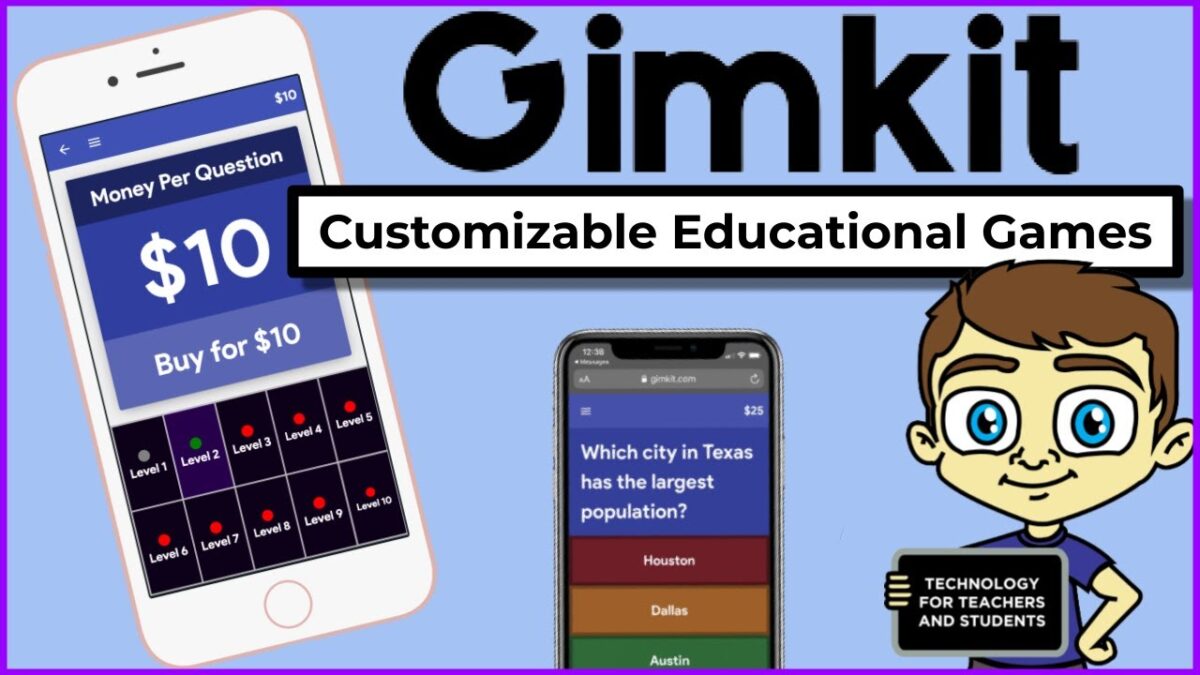
In today’s educational environment, teachers are constantly searching for innovative ways to keep students engaged while ensuring meaningful learning takes place. Traditional quizzes and worksheets often fail to capture students’ attention, especially in classrooms where technology plays a significant role in everyday life. This challenge has led to the rise of educational technology platforms that combine learning with interactive gameplay. Among these platforms, Gimkit has emerged as one of the most popular choices for educators worldwide.
Gimkit is a game-based learning platform designed to make classroom assessments more exciting and interactive. Unlike conventional quiz tools, it introduces elements of strategy, competition, and rewards that motivate students to participate actively. The platform transforms standard review questions into engaging games where students earn virtual currency by answering correctly and use their earnings to purchase upgrades that improve their performance.
The platform was created with a student-centered approach. Interestingly, Gimkit was developed by a high school student who understood firsthand the challenges of keeping learners engaged during classroom reviews. This unique perspective helped shape a tool that appeals to students while meeting educational objectives.
Today, Gimkit is used in schools across different grade levels and subject areas. From mathematics and science to history and language arts, educators leverage the platform to review concepts, assess understanding, and create a more enjoyable classroom experience. Its combination of learning and gaming continues to make it a valuable educational resource.
The History and Development of Gimkit
The story of Gimkit is both inspiring and innovative. The platform was created by Josh Feinsilber while he was still a high school student. After experiencing various educational technology tools in his own classes, he recognized opportunities for improvement and began designing a platform that would make learning more engaging.
What started as a simple idea quickly evolved into a sophisticated educational technology solution. Josh focused on creating a system where students would remain motivated throughout a game rather than losing interest after a few questions. This led to the introduction of virtual currency, upgrades, and strategic decision-making elements that distinguish Gimkit from many competitors.
As the platform gained popularity, teachers began adopting it in classrooms around the world. Positive feedback from educators encouraged continuous improvements, resulting in the addition of new game modes, enhanced customization options, and expanded reporting features. These updates helped Gimkit grow from a niche tool into a mainstream educational platform.
The development of Gimkit reflects the growing importance of student-driven innovation in education. By understanding what motivates learners, the creators successfully built a platform that combines entertainment and academic achievement. Its continued evolution demonstrates a commitment to improving classroom engagement and learning outcomes.
How Gimkit Works
At its core, Gimkit operates as a quiz-based learning system enhanced by game mechanics. Teachers create question sets, known as kits, which students answer during gameplay. Questions can cover virtually any subject, making the platform adaptable to a wide range of educational contexts.
When students answer questions correctly, they earn virtual money. This currency can then be used to purchase upgrades that increase earning potential, improve performance, or provide strategic advantages. The economic system adds a layer of decision-making that keeps students actively involved throughout the session.
Unlike many educational games where speed is the primary factor, Gimkit emphasizes accuracy and strategy. Students must balance answering questions correctly with making smart choices about how to invest their virtual earnings. This combination creates a unique learning experience that extends beyond simple memorization.
Teachers control many aspects of gameplay, including time limits, question settings, and game modes. This flexibility allows educators to tailor sessions to specific learning objectives. Whether reviewing for an exam or introducing new concepts, Gimkit provides tools that support diverse instructional goals.
Key Features That Make Gimkit Unique
One of Gimkit’s most distinctive features is its virtual economy. Students earn and spend virtual currency throughout a game, creating an experience that feels more like a strategy game than a traditional classroom quiz. This system encourages long-term engagement and sustained participation.
Another standout feature is the variety of game modes available. Rather than offering a single gameplay format, Gimkit provides multiple options that keep experiences fresh and exciting. Different modes introduce unique objectives, challenges, and collaborative opportunities that appeal to diverse learning preferences.
Customization is also a major strength. Teachers can create their own kits, import questions, modify settings, and personalize gameplay experiences. This flexibility ensures that the platform aligns with curriculum standards and classroom needs.
Detailed analytics further enhance Gimkit’s value. Teachers receive insights into student performance, helping identify strengths, weaknesses, and areas requiring additional instruction. These data-driven reports support informed teaching decisions and targeted interventions.
Benefits of Using Gimkit in Education
One of the primary benefits of Gimkit is increased student engagement. The platform transforms routine review activities into interactive experiences that students genuinely enjoy. This heightened engagement often leads to greater participation and improved retention of information.
Another advantage is the promotion of active learning. Instead of passively receiving information, students actively interact with content by answering questions, making decisions, and responding to challenges. Active participation has been linked to stronger learning outcomes and deeper understanding.
Gimkit also supports differentiated instruction. Teachers can adjust content, pacing, and settings to accommodate varying skill levels and learning needs. This adaptability helps ensure that all students can participate meaningfully and experience success.
Additionally, the platform provides immediate feedback. Students quickly learn whether their answers are correct, allowing them to identify mistakes and reinforce understanding in real time. This instant feedback contributes to more effective learning and skill development.
Popular Gimkit Game Modes
One reason for Gimkit’s popularity is its diverse collection of game modes. These modes introduce variety and prevent classroom activities from becoming repetitive. Each mode offers unique gameplay mechanics while maintaining educational value.
Classic mode remains one of the most widely used options. Students answer questions, earn money, and purchase upgrades. Its straightforward design makes it suitable for many classroom situations and grade levels.
Team-based modes encourage collaboration and communication. Students work together toward shared objectives, fostering teamwork while reinforcing academic content. These collaborative experiences can strengthen classroom relationships and promote peer learning.
Special event modes introduce creative twists that keep students excited about participation. Whether competing in themed challenges or pursuing unique objectives, learners experience fresh gameplay experiences that maintain enthusiasm and motivation.
How Teachers Use Gimkit Effectively
Successful implementation of Gimkit begins with thoughtful planning. Teachers often use the platform as a review tool before quizzes, tests, and exams. By presenting key concepts in a game format, educators can increase student interest while reinforcing essential knowledge.
Many teachers integrate Gimkit into daily classroom routines. Short review sessions at the beginning or end of class can help reinforce learning and assess student understanding. Regular use allows students to become familiar with the platform while benefiting from consistent practice.
Formative assessment is another effective application. Teachers can quickly gauge comprehension levels and identify misconceptions through gameplay data. This information supports instructional adjustments and targeted support.
Some educators also use Gimkit for homework assignments and independent learning activities. Students can complete assignments outside the classroom, extending learning opportunities and promoting self-directed study habits.
Gimkit Compared to Other Learning Platforms
The educational technology market includes several game-based learning platforms, but Gimkit offers characteristics that distinguish it from competitors. While many tools focus primarily on speed and competition, Gimkit incorporates strategic decision-making through its virtual economy.
Compared to traditional quiz platforms, Gimkit often generates higher levels of sustained engagement. Students remain invested throughout gameplay because earning and spending virtual currency creates ongoing incentives to participate actively.
Another difference lies in customization and variety. The platform’s multiple game modes provide greater flexibility than some alternatives, allowing teachers to select experiences that align with specific learning goals.
Furthermore, Gimkit’s detailed analytics support data-informed instruction. Teachers gain valuable insights into student performance, making it easier to track progress and address learning gaps effectively.
Strategies for Maximizing Student Success with Gimkit
To maximize learning outcomes, teachers should focus on creating high-quality question sets. Gimkit Well-designed questions encourage critical thinking and reinforce key concepts rather than simply testing memorization.
Balancing competition and collaboration can also improve the learning experience. While competitive elements motivate many students, collaborative activities ensure that teamwork and peer support remain important components of classroom learning.
Regularly introducing new game modes helps maintain excitement. Variety prevents students from becoming bored and encourages continued enthusiasm for educational activities.
Finally, teachers should use analytics to guide instruction. Reviewing performance data enables educators to identify patterns, address misconceptions, and provide targeted support that enhances student achievement.
The Future of Gimkit
As educational technology continues to evolve, Gimkit is well positioned to remain a significant player in the game-based learning landscape. Ongoing updates and feature enhancements demonstrate a commitment to meeting the changing needs of educators and students.
Future developments may include expanded customization options, advanced analytics, and additional collaborative features. These innovations could further enhance the platform’s effectiveness and educational impact.
The growing emphasis on student engagement suggests that platforms like Gimkit will become increasingly important. Schools and educators recognize that interactive learning experiences can improve motivation, participation, and academic performance.
By continuing to combine entertainment with meaningful educational content, Gimkit has the potential to shape the future of classroom learning. Its unique blend of strategy, competition, and academic rigor ensures that it remains a valuable tool for modern education.
Conclusion
Gimkit has transformed the way many educators approach classroom review and assessment. By integrating game mechanics, strategic decision-making, and engaging content, the platform creates learning experiences that students find both enjoyable and educational.
Its unique virtual economy, diverse game modes, and detailed analytics distinguish it from many other educational tools. These features help teachers increase engagement, monitor progress, and support student success across a wide range of subjects and grade levels.
The platform’s growth reflects a broader shift toward interactive and student-centered learning. As technology becomes increasingly integrated into education, tools like Gimkit provide opportunities to make learning more dynamic and effective.
Whether used for review sessions, formative assessments, homework assignments, or collaborative activities, Gimkit offers significant value for educators seeking innovative ways to engage students. Its continued popularity demonstrates the power of combining learning with meaningful gameplay, making it one of the most influential educational platforms available today.