
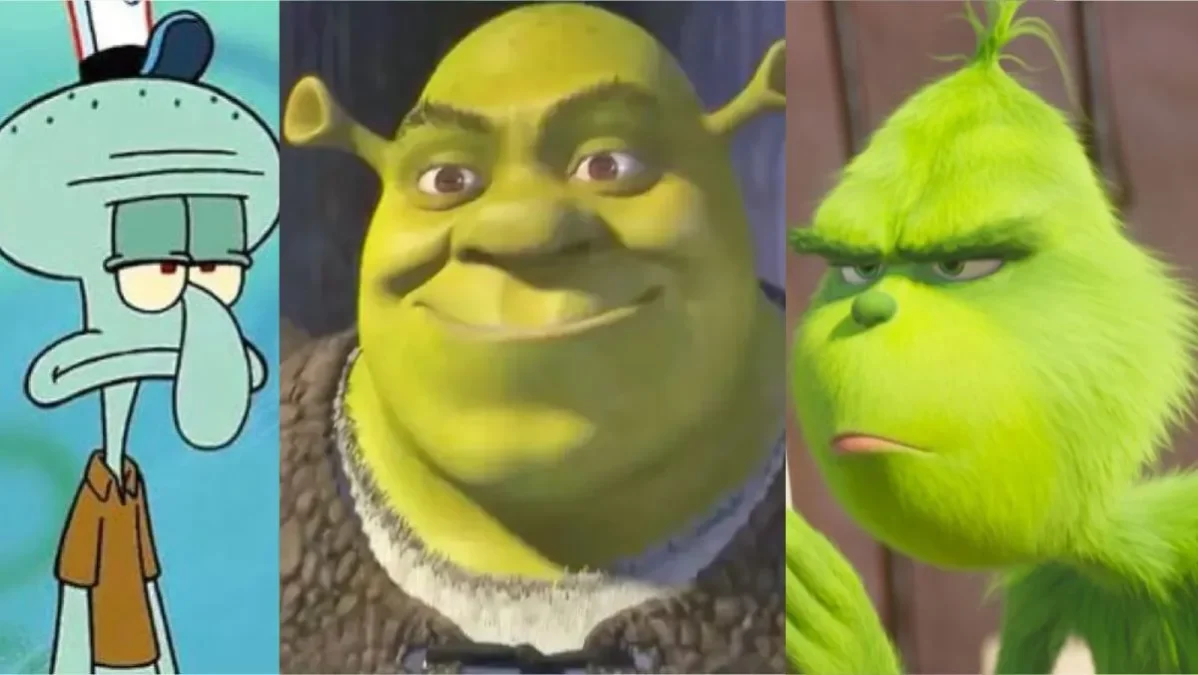
Cartoon characters are not always designed to be cute, handsome, or visually perfect. In fact, some of the most memorable animated figures in entertainment history are intentionally strange, awkward, or downright ugly. These characters often stand out more than traditionally attractive heroes because their unusual appearances make them unforgettable. From exaggerated facial features to bizarre body proportions, ugly cartoon characters have become a huge part of pop culture across television, movies, comics, and internet animation.
Interestingly, audiences tend to connect emotionally with imperfect characters. Their flaws make them relatable, funny, and human even when they are fictional creatures. Many animators purposely create unattractive characters to add humor, emphasize personality traits, or challenge traditional beauty standards. Over the years, these odd-looking personalities have earned loyal fan bases and become icons in their own right.
Another reason ugly cartoon characters remain popular is their ability to break visual stereotypes. Animation allows creators to design anyone or anything imaginable, so artists often experiment with unusual aesthetics. A crooked nose, uneven teeth, giant eyes, or awkward posture can instantly give a character identity and comedic value. These imperfections frequently become the defining traits that fans remember most.
Today, ugly cartoon characters appear in every genre imaginable. Some are heroes, some are villains, and others are comic relief sidekicks. Whether viewers love them or laugh at them, these characters continue to dominate cartoons and animated films around the world. Their popularity proves that appearance alone does not determine a character’s success.
Why Ugly Cartoon Characters Are So Memorable
One major reason ugly cartoon characters stand out is because they are visually different from everyone else on screen. In animation, where many characters are polished and attractive, an unusual-looking figure immediately grabs attention. Human brains naturally notice things that appear strange or unexpected, making these characters easier to remember.
Animators also use ugly designs to strengthen personality traits. A greedy character may have sharp teeth and messy hair, while a goofy character could have crossed eyes and exaggerated limbs. These visual cues help audiences instantly understand the role of the character without lengthy explanations. In many cases, appearance becomes part of the storytelling itself.
Comedy is another huge factor. Ugly cartoon characters often create humor simply by existing. Their awkward expressions, exaggerated movements, and strange proportions can generate laughs before they even speak. Slapstick humor works especially well with weird-looking characters because animators can stretch and distort their features for comedic effect.
Despite their unusual appearances, many of these characters become surprisingly lovable. Audiences may initially laugh at them, but over time they often grow emotionally attached. Their flaws make them feel more authentic and approachable than perfectly designed heroes. This emotional connection is one reason ugly cartoon characters continue to thrive generation after generation.
Famous Ugly Cartoon Characters in Television History
Some of the most famous ugly cartoon characters have become legends in television history. One of the best examples is Ren Höek from the classic animated series Ren & Stimpy. Ren’s bulging eyes, skinny body, and unstable expressions made him visually disturbing yet incredibly entertaining. His bizarre design perfectly matched the chaotic tone of the show.
Another iconic example is Stimpy, whose large nose, rounded body, and clueless smile created a hilarious contrast with Ren’s aggressive personality. Together, the duo became one of the strangest and most influential cartoon partnerships ever created.
The world of Nickelodeon also introduced audiences to CatDog, a bizarre creature that was literally half cat and half dog. The odd anatomy alone made the character unforgettable. Meanwhile, Courage from Courage the Cowardly Dog became famous for his nervous expressions, pink fur, and exaggerated reactions to terrifying situations.
Television animation has always embraced unconventional designs because they create stronger comedic and emotional reactions. These characters may not fit traditional beauty standards, but they helped shape the identity of animated television throughout the 1990s and early 2000s.
Ugly Cartoon Characters in Animated Movies
Animated films also feature plenty of intentionally unattractive characters who became fan favorites. One of the most recognizable examples is Shrek. Unlike traditional fairy-tale heroes, Shrek was designed as a large green ogre with rough skin, odd ears, and intimidating features. Yet audiences loved him because of his humor, honesty, and emotional depth.
The success of Shrek changed how animated movies approached character design. It showed that audiences were willing to support unconventional protagonists as long as they had compelling personalities. Instead of being rejected for his appearance, Shrek became one of the biggest animated icons in film history.
Another memorable example is Mater from Pixar’s Cars. Mater is rusty, crooked, and physically damaged, yet his personality makes him lovable. His design communicates simplicity and friendliness rather than perfection. Pixar intentionally embraced imperfections to make him feel authentic.
Characters like Gru from Despicable Me also prove that ugly designs can enhance storytelling. Gru’s bald head, long nose, and awkward body shape visually reinforce his eccentric personality. These movie characters demonstrate that animation thrives when creators move beyond conventional beauty standards.
The Psychology Behind Ugly Character Designs
There is actually psychology behind why ugly cartoon characters are so effective. Human beings tend to remember unusual faces more easily than ordinary ones. When a character has exaggerated features, viewers instantly recognize them, even after many years. This makes ugly designs extremely valuable in entertainment branding.
Animators also understand the emotional power of imperfection. Perfect-looking characters can sometimes feel unrealistic or emotionally distant. Ugly cartoon characters, however, often appear vulnerable, awkward, or relatable. Their imperfections make audiences empathize with them more deeply.
Another psychological factor is contrast. When an ugly character interacts with attractive or normal-looking characters, the visual difference creates humor and tension. This contrast helps scenes feel more dynamic and entertaining. Many classic animated comedies rely heavily on this technique.
Children especially respond well to exaggerated visual designs because they are easier to understand emotionally. A messy or goofy-looking character immediately communicates humor or chaos without needing complicated dialogue. This simplicity helps cartoons connect with younger audiences while still entertaining adults.
Ugly Villains Who Became Legendary
Villains in cartoons are often designed to look unattractive on purpose. Their strange appearances visually communicate danger, greed, or cruelty. Some of the greatest animated villains ever created are remembered largely because of their ugly or disturbing designs.
One iconic example is Ursula from Disney’s The Little Mermaid. Her exaggerated makeup, large body, and dramatic expressions created a visually intimidating presence. Yet her charisma and confidence also made her incredibly entertaining.
Another unforgettable villain is Hades from Disney’s Hercules. His sharp features, blue flame hair, and constantly shifting expressions made him look unstable and dangerous. The unusual design enhanced his sarcastic personality perfectly.
Cartoons also feature grotesque villains like Him from The Powerpuff Girls. Him’s unsettling appearance mixed humor with horror, making the character deeply memorable. Similarly, Dr. Drakken used exaggerated facial features and awkward body language to create comedic villainy.
Ugly villains often work better than traditionally attractive ones because they visually embody chaos and unpredictability. Their designs make audiences instantly curious or uncomfortable, which strengthens the storytelling experience.
Internet Culture and Ugly Cartoon Characters
The internet has played a major role in keeping ugly cartoon characters popular. Social media platforms constantly turn bizarre animated faces into memes, reaction images, and viral jokes. Characters with exaggerated or ridiculous expressions spread quickly online because they are visually funny even without context.
Many older cartoons have experienced renewed popularity because of internet culture. Clips from shows featuring weird-looking characters regularly circulate on platforms like TikTok, YouTube, and Instagram. Younger audiences discover these characters through memes long before watching the original cartoons.
Internet humor also embraces awkwardness and absurdity, which perfectly matches ugly cartoon aesthetics. Characters with strange smiles, distorted faces, or chaotic energy often become meme legends because they represent exaggerated emotional reactions that people enjoy sharing online.
Modern animators are aware of this trend and sometimes intentionally create ugly or bizarre expressions designed to become internet content. In many ways, meme culture has increased the demand for unconventional character designs in animation.
How Animation Styles Changed Beauty Standards
Older cartoons often relied heavily on exaggerated ugliness because animation technology allowed artists to push visual boundaries. Shows from the 1990s especially embraced gross-out humor, distorted faces, and bizarre body shapes. This era helped normalize ugly cartoon characters as mainstream entertainment.
Over time, animation styles evolved. Many modern animated films use cleaner and more polished designs, but ugly characters still remain important. The difference today is that ugliness is often balanced with emotional charm or stylized beauty.
Shows like SpongeBob SquarePants popularized sudden ugly close-up frames where characters briefly appear horrifying for comedic effect. This technique became hugely influential in internet humor and modern animation editing styles.
Contemporary animation also challenges traditional beauty standards more openly than before. Creators increasingly design characters with imperfections, unusual body types, or awkward appearances without making them villains or jokes. This shift reflects broader cultural acceptance of individuality and diversity.
Why Audiences Love Imperfect Characters
Audiences often connect more deeply with imperfect characters because they feel realistic emotionally, even within fantasy worlds. A flawless hero may appear admirable, but an awkward or ugly character feels approachable and relatable. People recognize their own insecurities and imperfections in these characters.
Ugly cartoon characters also tend to have stronger personalities because creators rely on more than appearance to make them interesting. Humor, loyalty, intelligence, bravery, or emotional vulnerability become their defining qualities. This depth often makes them more memorable than conventionally attractive characters.
Another important factor is transformation. Many ugly cartoon characters experience emotional growth throughout their stories. Viewers enjoy seeing misunderstood or rejected characters prove their worth over time. This creates satisfying emotional arcs that resonate strongly with audiences.
Additionally, ugly characters frequently symbolize the idea that inner qualities matter more than external appearance. This message has universal appeal and helps explain why these characters remain beloved across multiple generations.
The Role of Gross Humor in Cartoons
Gross humor has always been closely connected to ugly cartoon characters. Exaggerated pimples, bad smells, crooked teeth, and bizarre bodily functions are common comedic tools in animation. While some viewers dislike this style, others find it hilarious because cartoons can exaggerate reality in impossible ways.
Shows like Ren & Stimpy pushed gross-out humor to extreme levels with disturbing close-ups and exaggerated expressions. This style influenced many later cartoons and internet animations. Even today, animators continue using ugly visuals to create shocking or absurd comedy moments.
Children often enjoy gross humor because it feels rebellious and unexpected. Adults, meanwhile, may appreciate the creativity behind exaggerated animation techniques. Ugly cartoon characters become perfect vehicles for this type of comedy because their strange appearances already prepare audiences for bizarre situations.
Despite criticism from some parents and critics, gross humor remains a significant part of animation culture. It allows artists to experiment visually while creating memorable comedic experiences that stand out from more traditional entertainment.
Ugly Cartoon Characters Who Became Heroes
One fascinating trend in animation is the rise of ugly heroes. Traditionally, protagonists were designed to look attractive and inspiring, while ugly characters served as villains or comic relief. Modern animation has challenged this idea by making unconventional-looking characters the center of the story.
Shrek is perhaps the most famous example, but many others followed. Po from Kung Fu Panda is overweight and clumsy, yet becomes a legendary martial artist. His appearance contrasts with traditional heroic stereotypes.
Another example is Megamind, whose oversized blue head and awkward features initially make him appear villainous. However, audiences eventually discover his intelligence, humor, and emotional depth. His appearance becomes secondary to his personality.
These characters demonstrate an important cultural shift. Animation increasingly celebrates individuality and rejects the idea that heroes must look perfect. Ugly cartoon characters can now lead blockbuster franchises and inspire audiences worldwide.
The Future of Ugly Cartoon Characters
Ugly cartoon characters are unlikely to disappear anytime soon. In fact, they may become even more important as animation continues evolving. Modern audiences appreciate originality, humor, and emotional authenticity more than traditional beauty standards.
Streaming platforms have also created opportunities for experimental animation styles. Independent creators now produce cartoons featuring highly unusual characters that would never have appeared on traditional television decades ago. This creative freedom encourages even stranger and more unique designs.
Technology is also expanding the possibilities for exaggerated animation. Advanced digital tools allow artists to create more expressive faces, distorted movements, and bizarre visual effects than ever before. Ugly cartoon characters benefit greatly from these innovations because their humor often depends on exaggerated animation techniques.
Ultimately, ugly cartoon characters remain popular because they represent creativity without limitations. They remind audiences that entertainment does not require perfection. Sometimes the weirdest, messiest, and strangest characters become the ones people remember forever.
Conclusion
Ugly cartoon characters have become an essential part of animation history and modern entertainment culture. Their strange appearances, exaggerated features, and unconventional designs make them instantly recognizable and emotionally memorable. While they may not fit traditional standards of beauty, these characters often possess the strongest personalities and the most entertaining stories.
From classic television cartoons to blockbuster animated movies, ugly characters continue proving that appearance is only one small part of successful storytelling. Audiences connect with humor, emotion, vulnerability, and authenticity far more than physical perfection. Characters like Shrek, Courage, and Megamind demonstrate how unconventional designs can become beloved global icons.
The enduring popularity of ugly cartoon characters also reflects changing cultural attitudes. Modern audiences increasingly appreciate individuality and reject narrow beauty standards. Animation, with its limitless creativity, provides the perfect space for celebrating unusual and imperfect characters.
As animation technology and storytelling continue evolving, ugly cartoon characters will almost certainly remain central to the industry. Whether they appear hilarious, creepy, awkward, or strangely lovable, these characters continue proving that sometimes the weirdest faces leave the biggest impressions.