
Corn Snake: A Complete Expert Guide for Beginners a
The Corn snake is one of the most popular pet snakes in the world, and for good reason. It is known for its calm temperament, manageable size, and beautiful color variations. Whether someone is completely new to reptiles or already experienced with snakes, this species often becomes a top recommendation.
In this detailed guide, we will explore everything about corn snakes—from their natural habitat and behavior to their care in captivity. The goal is to give you a clear, practical understanding that feels easy to follow but still reflects expert-level knowledge.
Corn snakes are often misunderstood at first, mainly because people assume all snakes are aggressive or dangerous. In reality, this species is one of the most docile and beginner-friendly reptiles you can keep. Their behavior, feeding habits, and adaptability make them an excellent example of a well-balanced reptile pet.
By the end of this article, you will have a complete picture of how corn snakes live in the wild, how they behave, and what it takes to properly care for them in captivity.
Natural Habitat and Distribution of Corn Snakes
Corn snakes are native to the southeastern United States, where they thrive in warm, humid environments. They are commonly found in states like Florida, Georgia, Mississippi, and parts of the Carolinas. These regions provide the perfect balance of heat, cover, and prey availability.
In the wild, corn snakes prefer areas such as forests, overgrown fields, abandoned buildings, and even farmlands. They are excellent climbers and often hide in barns or under debris, which is one reason they became associated with grain storage areas.
Despite their name, corn snakes are not actually linked to corn itself. The name likely comes from their frequent presence near corn storage areas where rodents are abundant. These snakes help control pest populations naturally, making them beneficial to farmers.
Their adaptability to different environments is one of the key reasons they have survived and thrived in the wild. Even when habitats change due to human development, corn snakes are capable of adjusting and finding new shelter.
Physical Characteristics and Color Morphs
Corn snakes are medium-sized snakes, usually growing between 3 to 5 feet in length, although some individuals can grow slightly larger. Their slender bodies make them agile climbers and efficient hunters.
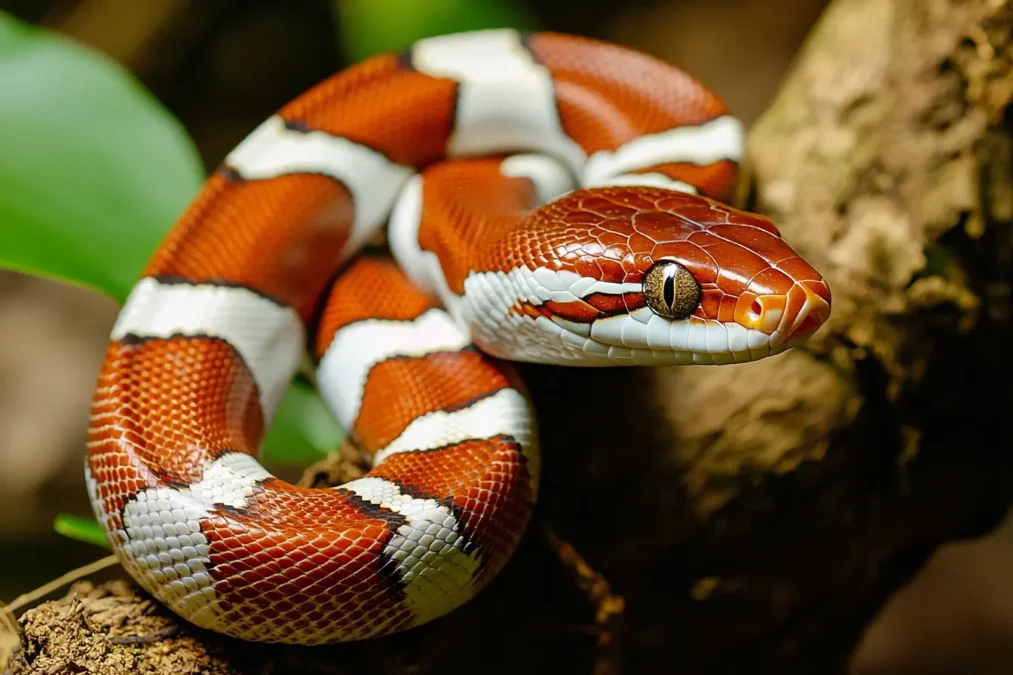
One of the most striking features of corn snakes is their coloration. In the wild, they typically have orange or reddish backgrounds with bold black-bordered patterns. These markings help them blend into leaf litter and forest environments.
In captivity, selective breeding has produced a wide range of “morphs,” which are genetic variations in color and pattern. These include albino, snow, amelanistic, and charcoal morphs, among many others. Each morph gives the snake a completely different appearance.
Despite the visual differences, all corn snakes share the same basic body structure and behavior. Their scales are smooth and glossy, and their heads are slightly distinct from their necks, making identification relatively easy.
Behavior and Temperament of Corn Snakes
Corn snakes are widely known for their calm and non-aggressive temperament. Unlike some other snake species, they rarely show defensive behavior unless they feel extremely threatened.
When handled regularly and gently, corn snakes usually become very relaxed around humans. They may explore your hands or arms slowly, showing curiosity rather than fear. This makes them an ideal choice for beginners.
In the wild, corn snakes are primarily nocturnal or crepuscular, meaning they are most active during early morning and evening hours. During the day, they prefer to hide under logs, rocks, or underground burrows.
Even though they are calm, corn snakes are still natural predators. They use a combination of stealth and patience to hunt, often waiting quietly before striking small prey. This balance of calmness and instinct makes them fascinating to observe.
Diet and Feeding Habits
Corn snakes are carnivorous reptiles, and their diet mainly consists of small rodents such as mice and young rats. In the wild, they may also eat birds, eggs, and occasionally small amphibians.
They are constrictors, meaning they kill their prey by wrapping around it and applying pressure until it stops breathing. This method is highly efficient and allows them to consume prey safely without injury.
In captivity, feeding is usually done with pre-killed or frozen-thawed rodents. This method is safer for the snake and more convenient for owners. Feeding schedules typically range from once every 5 to 10 days, depending on the snake’s age and size.
Young corn snakes eat more frequently because they are growing rapidly, while adults require less frequent feeding. Overfeeding should be avoided, as it can lead to obesity and health issues.
Housing, Care, and Environmental Needs
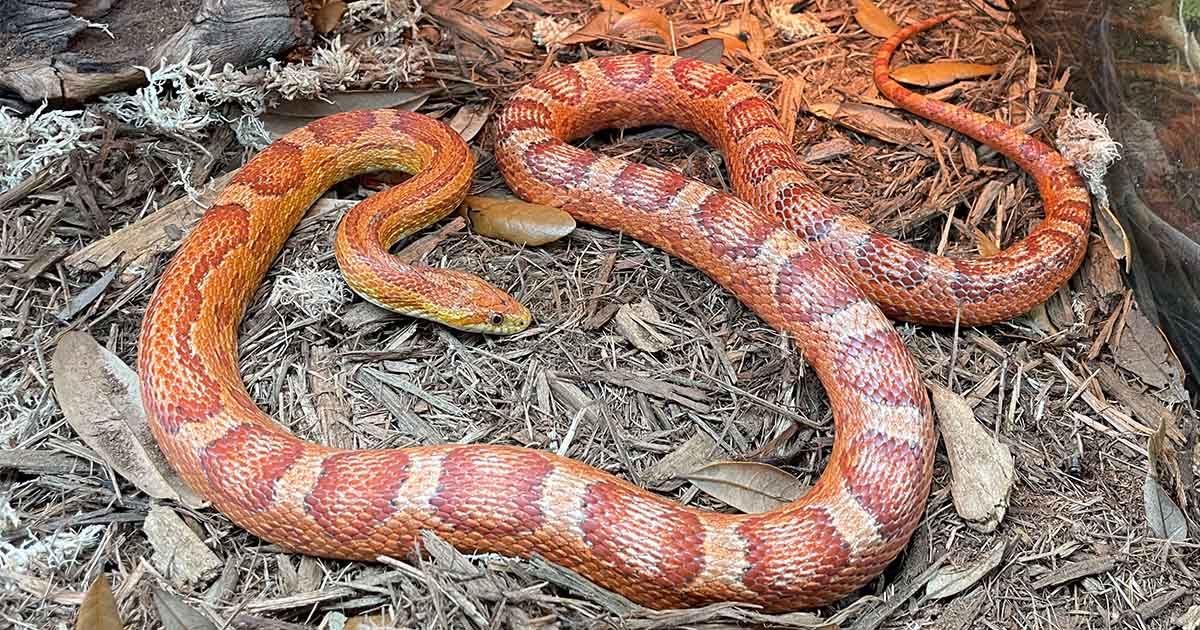
Proper housing is essential for keeping a corn snake healthy and stress-free. A secure enclosure with adequate space is the first requirement. Adult corn snakes generally need a tank that is at least 20–40 gallons in size.
Temperature regulation is very important. Corn snakes need a warm side of the enclosure around 28–30°C and a cooler side around 22–25°C. This temperature gradient allows them to regulate their body heat naturally.
Humidity levels should be moderate, typically around 40–60%. Too much humidity can lead to skin problems, while too little can cause shedding issues. Providing a hiding spot in both warm and cool areas helps reduce stress.
Clean water should always be available, and the enclosure must be cleaned regularly to prevent bacteria buildup. Substrates like aspen shavings or reptile-safe bedding are commonly used.
Health, Lifespan, and Common Issues
With proper care, corn snakes can live between 15 to 20 years in captivity, and sometimes even longer. Their long lifespan makes them a long-term commitment for any pet owner.
One of the most common health issues in corn snakes is improper shedding, also known as dysecdysis. This usually happens due to incorrect humidity levels or dehydration.
Respiratory infections can also occur if the enclosure is too cold or too damp. Symptoms include wheezing, open-mouth breathing, or mucus around the nose. Early treatment is important to prevent complications.
Parasites, both internal and external, are another concern, especially in wild-caught or improperly quarantined snakes. Regular veterinary check-ups can help prevent serious health problems.
Breeding and Reproduction
Corn snakes typically breed in the spring after a cooling period known as brumation. This process mimics winter conditions and helps trigger reproductive behavior.
After mating, females lay eggs about 30–45 days later. A typical clutch can contain between 10 to 30 eggs, depending on the size and health of the female.
The eggs are usually laid in hidden, moist areas and will hatch after approximately 60–70 days of incubation. Temperature and humidity play a crucial role in successful hatching.
Baby corn snakes are independent from birth and receive no parental care. They begin feeding on small pinky mice shortly after their first shed, continuing the life cycle.
Final Thoughts
Corn snakes are one of the most rewarding reptile pets for both beginners and experienced keepers. Their calm nature, manageable size, and wide variety of colors make them fascinating companions.
Understanding their natural behavior and environmental needs is the key to keeping them healthy and stress-free. With proper care, they can live for many years and become a truly enjoyable part of any reptile collection.
Whether in the wild or in captivity, corn snakes remain a perfect example of adaptability and balance in the reptile world.