
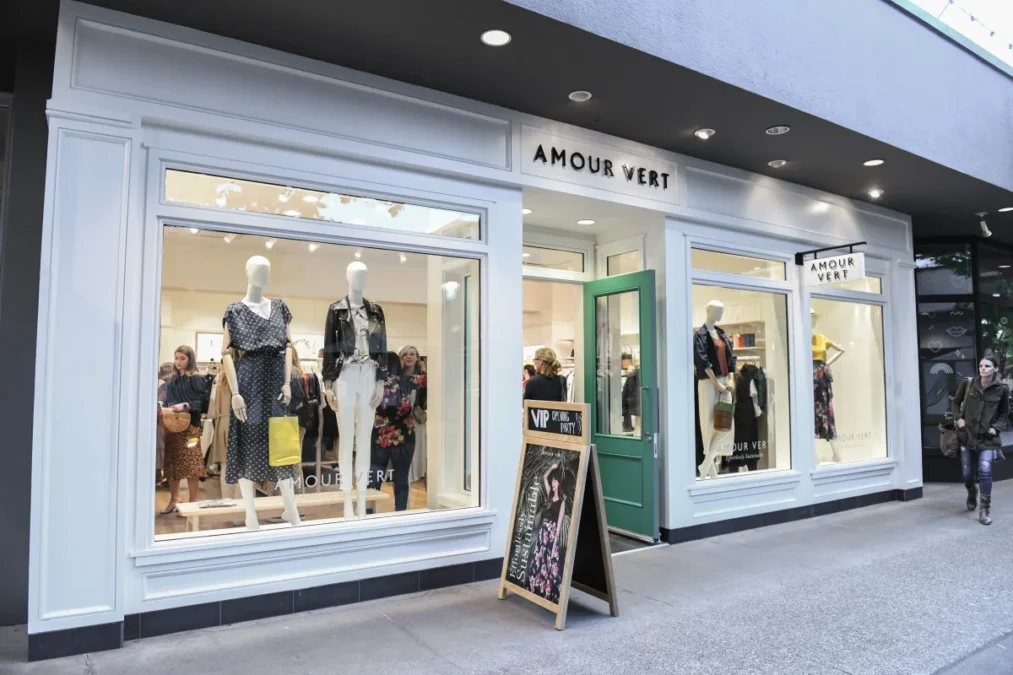
The fashion industry has changed dramatically over the last decade. Consumers are no longer interested only in trends, luxury labels, or fast-fashion bargains. Today, people want transparency, ethical manufacturing, eco-friendly fabrics, and clothing that aligns with their personal values. One brand that has successfully positioned itself at the center of this movement is Amour Vert. Known for combining timeless fashion with environmental responsibility, the company has built a reputation as one of the leading names in sustainable clothing.
The name “Amour Vert” translates from French to “Green Love.” That name alone reflects the company’s mission. Instead of producing disposable fashion pieces that quickly end up in landfills, the brand focuses on thoughtful production, environmentally friendly practices, and high-quality garments designed to last for years. This philosophy has attracted shoppers who care about both style and sustainability.
What makes the company especially interesting is its ability to balance elegance with ethics. Many sustainable brands struggle to compete with mainstream fashion in terms of design, but Amour Vert manages to create clothing that feels modern, sophisticated, and wearable. From soft tees and dresses to refined workwear and cozy sweaters, the collections are designed for everyday life while still maintaining a polished appearance.
As environmental concerns continue to grow globally, brands like Amour Vert are becoming more important than ever. Consumers are paying attention to how their clothing is made, where fabrics come from, and how workers are treated. Amour Vert stands out because it attempts to address all these concerns in a practical and fashionable way. Rather than simply marketing itself as eco-friendly, the company integrates sustainability into nearly every stage of production.
The rise of sustainable fashion is not just a passing trend. It represents a shift in how people think about consumption. Amour Vert has become part of that larger cultural movement, proving that fashion can be beautiful without harming the environment. This article explores the history, philosophy, materials, business model, popularity, and future of the brand while examining why it continues to attract loyal customers around the world.
The Origins and History of Amour Vert
Amour Vert was founded with the idea that fashion should not come at the expense of the planet. The company launched in the early 2010s during a period when sustainable fashion was still considered a niche category. At that time, many shoppers associated eco-friendly clothing with plain designs, limited choices, and expensive pricing. The founders believed there was an opportunity to change that perception completely.
The company began in San Francisco, a city known for innovation, environmental awareness, and progressive consumer culture. This location played an important role in shaping the brand’s identity. San Francisco consumers were already interested in ethical businesses and environmentally conscious lifestyles, making it the perfect place for a sustainable fashion label to grow.
From the beginning, Amour Vert focused on local production and responsible sourcing. Unlike many fashion companies that outsource manufacturing to factories overseas, the brand chose to keep a large portion of its production close to home. This decision helped reduce transportation emissions while also supporting domestic manufacturing jobs. It also allowed the company to maintain better oversight of quality and working conditions.
Another defining element of the brand’s early years was its commitment to limited production. Instead of mass-producing huge quantities of clothing, Amour Vert introduced small-batch manufacturing. This reduced waste significantly because the company was not creating excessive inventory that might later be discarded. The strategy also gave the collections a more exclusive and carefully curated feel.
As social media and sustainability awareness grew, the company gained momentum. Customers appreciated that the brand offered clothing that looked fashionable while still aligning with ethical values. Influencers, environmentally conscious shoppers, and professionals searching for versatile wardrobe staples began supporting the label. Over time, Amour Vert expanded beyond basics into dresses, jackets, knitwear, and accessories.
The brand’s growth reflects larger changes within the fashion industry itself. Consumers today expect more accountability from companies. They want to know about materials, labor conditions, and environmental impact. Amour Vert was ahead of that curve, which helped establish its credibility long before sustainability became a mainstream marketing term.
Sustainable Fashion Philosophy Behind Amour Vert
At the heart of Amour Vert lies a philosophy centered on sustainability and mindful consumption. The company believes that fashion should respect both people and the planet. This belief influences every aspect of its operations, from fabric selection to manufacturing processes and packaging decisions.
One of the most important principles of the brand is slow fashion. Unlike fast fashion companies that rapidly produce inexpensive trend-based clothing, Amour Vert encourages consumers to invest in timeless pieces that remain stylish over time. This approach reduces unnecessary consumption and minimizes environmental waste.
The company also emphasizes quality over quantity. Each garment is designed to last through repeated wear rather than falling apart after a few washes. Durable stitching, premium fabrics, and classic silhouettes contribute to the longevity of the clothing. This focus on durability aligns with the broader sustainable movement, which encourages consumers to buy fewer but better products.
Transparency is another major aspect of the company’s philosophy. Modern consumers increasingly want to know where their clothes come from and how they are made. Amour Vert attempts to provide insight into its sourcing and manufacturing practices. By openly discussing fabrics and production methods, the company builds trust with environmentally conscious shoppers.
The brand also recognizes that sustainability is not a perfect destination but an ongoing process. No fashion company can claim complete environmental neutrality, especially in an industry that depends heavily on manufacturing and transportation. However, Amour Vert positions itself as a brand committed to continuous improvement rather than perfection. This realistic approach resonates with consumers who understand the complexity of sustainable production.
Another interesting aspect of the philosophy is the emotional connection the brand encourages customers to have with clothing. Instead of buying impulsively, shoppers are encouraged to select versatile, meaningful pieces that fit naturally into their lifestyles. This mindset helps reduce wasteful shopping habits and promotes more intentional consumption patterns.
In many ways, Amour Vert represents the changing relationship between fashion and responsibility. Consumers no longer see sustainability as separate from style. Instead, ethical considerations are becoming part of the overall shopping experience, and Amour Vert has successfully positioned itself at the intersection of both worlds.
Eco-Friendly Fabrics and Materials Used by Amour Vert
One reason Amour Vert has earned respect within the sustainable fashion industry is its careful selection of fabrics. The company prioritizes environmentally friendly materials that reduce harm to ecosystems while still offering comfort and durability for customers.
A major fabric used by the brand is TENCEL™, a material derived from sustainably harvested wood pulp. TENCEL is popular because it feels incredibly soft, drapes beautifully, and requires less water during production compared to conventional cotton. The fabric is also biodegradable, making it a more eco-conscious alternative to many synthetic materials.
Organic cotton is another important part of the brand’s collections. Traditional cotton farming often involves heavy pesticide use and excessive water consumption. Organic cotton reduces those environmental impacts by using safer agricultural practices. Clothing made from organic cotton tends to feel breathable and comfortable, which fits well with Amour Vert’s relaxed yet sophisticated aesthetic.
The company also uses recycled fabrics in certain products. Recycling materials helps reduce waste while minimizing the need for virgin resources. In an industry where textile waste is a massive problem, incorporating recycled fibers demonstrates a commitment to circular fashion practices.
Silk alternatives and responsibly sourced wool are additional examples of the brand’s material strategy. Rather than focusing solely on affordability, the company invests in higher-quality textiles that align with ethical standards. This contributes to the elevated feel of the clothing while maintaining environmental awareness.
Another noteworthy detail is the brand’s attention to dyes and chemical treatments. Many conventional fashion brands use toxic chemicals during production, which can pollute waterways and harm workers. Sustainable companies like Amour Vert attempt to minimize these harmful practices by using safer alternatives whenever possible.
Packaging also plays a role in the sustainability conversation. The company aims to reduce unnecessary plastic usage and excessive packaging waste. While this may seem like a smaller issue compared to manufacturing, packaging waste contributes significantly to global pollution, especially in online retail.
By choosing eco-friendly fabrics and responsible production methods, Amour Vert demonstrates that sustainable fashion is about more than marketing language. The materials themselves become part of the brand’s identity, helping consumers feel more confident about the environmental impact of their purchases.
Why Consumers Love Amour Vert
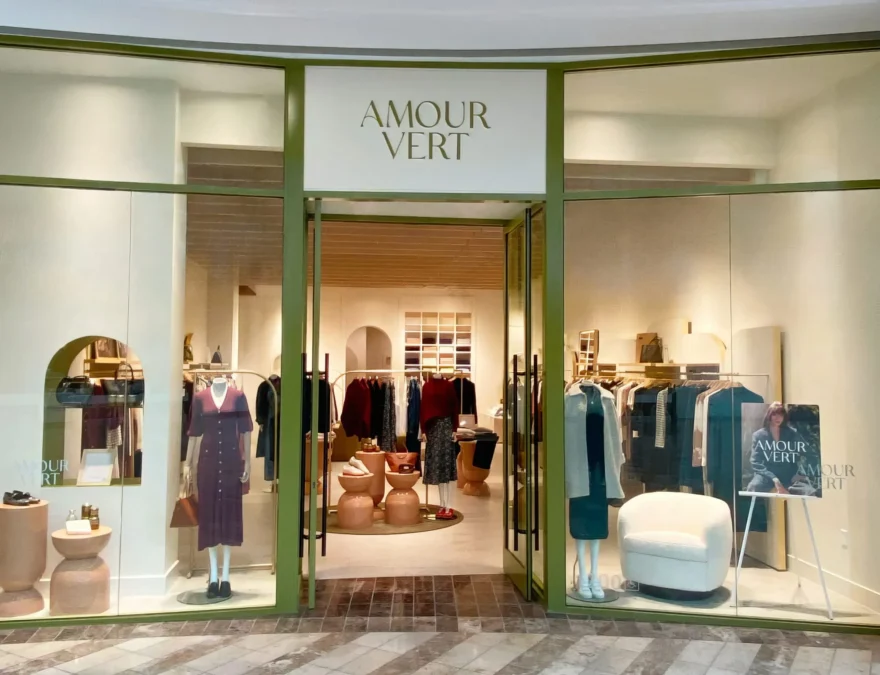
One of the biggest reasons customers remain loyal to Amour Vert is the balance between comfort and style. Many sustainable fashion brands focus so heavily on environmental messaging that they overlook design. Amour Vert avoids this mistake by offering clothing that feels fashionable, elegant, and versatile.
The brand appeals particularly to consumers who prefer minimalist wardrobes. Instead of loud prints or rapidly changing trends, the collections emphasize timeless colors, clean lines, and adaptable pieces. Customers can easily mix and match items, creating outfits suitable for work, casual settings, or social events.
Comfort is another major selling point. The fabrics used by the company are often praised for their softness and wearability. In today’s fashion market, consumers increasingly prioritize comfort alongside aesthetics, especially as remote work and flexible lifestyles continue to influence clothing preferences.
Customers also appreciate the ethical aspect of the brand. Many shoppers experience guilt associated with fast-fashion purchases due to concerns about labor exploitation and environmental damage. Buying from a company like Amour Vert allows them to feel more aligned with their personal values.
Another reason for the brand’s popularity is its focus on authenticity. Some companies use sustainability purely as a marketing tactic without making meaningful operational changes. Amour Vert, however, built its entire identity around responsible fashion practices. This consistency helps strengthen customer trust.
The company’s branding also contributes to its appeal. The French-inspired name, elegant presentation, and sophisticated product photography create an upscale image without appearing inaccessible. This combination of luxury aesthetics and ethical values attracts consumers seeking modern yet responsible fashion.
Word-of-mouth marketing and online communities have also helped the brand grow. Sustainable fashion shoppers often share recommendations with friends and followers, especially when they discover brands that genuinely align with ethical principles. Positive reviews regarding fit, quality, and comfort have played an important role in expanding the company’s audience.
Ultimately, consumers love Amour Vert because it offers more than just clothing. The brand represents a lifestyle centered on mindfulness, sustainability, and understated elegance. That emotional connection is difficult for competitors to replicate.
Challenges Facing Amour Vert and Sustainable Fashion
Despite its success, Amour Vert still faces several challenges that affect the broader sustainable fashion industry. One of the biggest issues is pricing. Ethical production and eco-friendly materials often cost more than conventional manufacturing methods. As a result, sustainable clothing is frequently more expensive than fast fashion alternatives.
This pricing challenge creates accessibility concerns. While many consumers support sustainability in theory, not everyone can afford premium-priced clothing. Amour Vert must continuously balance quality, ethics, and affordability while remaining financially sustainable as a business.
Competition is another growing challenge. Over the years, many mainstream brands have introduced “eco” collections or sustainability campaigns. While some companies are making legitimate improvements, others engage in greenwashing, which involves exaggerating environmental claims for marketing purposes. This can confuse consumers and make it harder for genuinely sustainable brands to stand out.
Supply chain complexity also remains a significant issue. Creating environmentally responsible clothing requires careful oversight of sourcing, manufacturing, transportation, and labor practices. Any disruption in the supply chain can affect costs, production schedules, and product availability.
Consumer behavior presents another obstacle. Although awareness about sustainability has increased, fast fashion remains incredibly popular due to convenience, low prices, and constant new releases. Encouraging shoppers to buy fewer, higher-quality items requires a cultural shift that takes time.
There is also the challenge of scalability. Small-batch manufacturing and local production work well for maintaining ethical standards, but scaling these operations while preserving sustainability can be difficult. As brands grow, maintaining the same level of oversight and environmental responsibility becomes increasingly complex.
Environmental expectations are also constantly evolving. Consumers and activists continue pushing companies toward greater accountability regarding carbon emissions, waste reduction, and labor rights. Sustainable brands must adapt continuously to meet rising expectations while staying competitive in a crowded market.
Even with these challenges, Amour Vert continues to represent an important example of how fashion companies can operate more responsibly. The difficulties the brand faces highlight the broader tensions between profitability, consumer demand, and environmental responsibility within the modern fashion industry.
The Future of Amour Vert
The future of Amour Vert looks promising as sustainability becomes increasingly important in global fashion. Younger generations especially are more likely to support brands that align with ethical and environmental values. This shift in consumer priorities creates opportunities for companies that have already established credibility in sustainable practices.
Technology may also help the company improve its environmental impact even further. Innovations in textile production, recycling systems, and biodegradable materials are rapidly transforming the fashion industry. Brands like Amour Vert are well-positioned to adopt these advancements because sustainability is already central to their identity.
Expansion into new product categories could also shape the company’s future. Many sustainable brands eventually broaden their offerings into accessories, footwear, activewear, or home products. Doing so allows them to build stronger relationships with customers while expanding revenue streams.
The rise of resale and circular fashion could benefit the brand as well. Consumers increasingly value durable clothing that retains quality over time. Since Amour Vert focuses on timeless designs and high-quality materials, its garments naturally fit into the growing secondhand and resale market.
International growth represents another possible direction. While the brand already has recognition among environmentally conscious shoppers, sustainable fashion awareness continues expanding globally. Markets outside the United States may provide significant opportunities for future development.
Social media and digital storytelling will likely remain important tools for the brand. Consumers enjoy learning about sustainability journeys, ethical manufacturing processes, and behind-the-scenes production details. Transparent communication helps strengthen trust and loyalty.
However, the company’s long-term success will depend on maintaining authenticity. As sustainability becomes more mainstream, consumers are becoming increasingly skeptical of vague environmental claims. Amour Vert must continue demonstrating measurable commitments rather than relying solely on branding language.
The future of fashion itself may depend on companies like Amour Vert. The industry faces growing pressure to reduce waste, improve labor conditions, and minimize environmental damage. Brands that successfully combine ethics, quality, and style could play a major role in shaping the next generation of consumer culture.
Conclusion
Amour Vert has emerged as one of the most recognizable names in sustainable fashion because it offers more than eco-friendly marketing. The company combines ethical production, environmentally conscious materials, timeless design, and modern style into a cohesive brand identity that resonates with today’s consumers.
Its commitment to slow fashion and responsible manufacturing reflects broader cultural changes in how people think about clothing. Consumers increasingly understand that fashion choices have environmental and social consequences, and they want brands that take those responsibilities seriously.
Amour Vert’s success demonstrates that sustainability and style are no longer opposing concepts. The brand has shown that consumers can enjoy elegant, comfortable clothing while also supporting more ethical business practices. By focusing on quality, transparency, and timeless design, the company has built lasting credibility in an industry often criticized for waste and exploitation.
At the same time, the challenges facing the brand highlight the complexity of sustainable fashion. Balancing affordability, growth, and environmental responsibility is not easy. Yet these challenges also create opportunities for innovation and positive change within the industry.
As sustainable fashion continues evolving, Amour Vert will likely remain an influential example of how brands can operate with greater awareness and responsibility. Whether through eco-friendly fabrics, local manufacturing, or thoughtful design, the company represents a future where fashion becomes more mindful, ethical, and environmentally conscious.
For consumers seeking clothing that reflects both personal style and environmental values, Amour Vert stands as a strong reminder that fashion can be beautiful, practical, and responsible at the same time.