
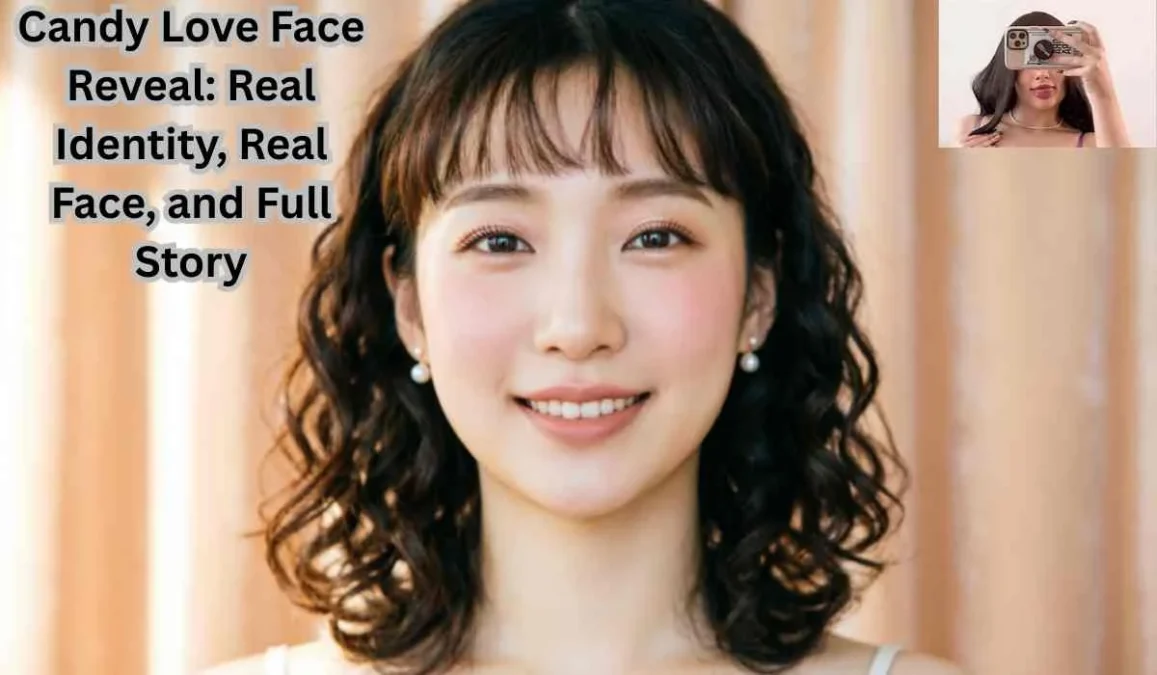
The phrase “Candy Love Face” has recently started appearing across social media platforms, beauty discussions, and online trend forums. While the term may sound playful at first, it actually represents a larger conversation about facial aesthetics, makeup culture, soft beauty trends, and internet identity. Many people use the phrase to describe a sweet, youthful, attractive facial appearance that combines softness with glamour. Others associate it with digital beauty filters, influencer culture, or a specific makeup style inspired by doll-like features.
What makes the concept so interesting is how flexible it has become online. Some users describe a “Candy Love Face” as having glowing skin, rosy cheeks, glossy lips, and expressive eyes that create a charming and innocent appearance. Others interpret it more broadly as a modern beauty aesthetic shaped by social media trends. Because the term is not tied to one exact definition, it has evolved differently across platforms like TikTok, Instagram, Pinterest, and YouTube.
The popularity of aesthetic trends often reflects what people currently admire in fashion and beauty culture. Over the past few years, softer beauty looks have replaced the heavier makeup trends that dominated the 2010s. Instead of dramatic contouring and intense glam, many influencers now focus on radiant skin, natural blush, soft eye makeup, and playful styling. The “Candy Love Face” idea fits perfectly into this movement because it emphasizes freshness, sweetness, and emotional appeal.
Another reason the trend has gained attention is because younger internet users enjoy naming beauty styles. Terms like “clean girl aesthetic,” “soft glam,” “coquette makeup,” and “doll beauty” have all exploded online. “Candy Love Face” feels similar because it gives people a fun and memorable way to describe a specific vibe or appearance. The phrase sounds dreamy, emotional, and visually descriptive, which makes it perfect for viral internet culture.
In many ways, the term also reflects how beauty standards continue to evolve. Instead of focusing only on perfection, modern trends often celebrate personality and mood. A Candy Love Face is not always about looking flawless; it is about creating a charming and lovable impression. That emotional connection is one reason why the trend continues to spread across online communities.
As beauty language keeps changing, phrases like this become part of internet culture very quickly. Whether people use it seriously or casually, the term has already become recognizable among trend-focused audiences. Understanding why it resonates requires exploring beauty standards, makeup styles, social media influence, and digital aesthetics in greater depth.
The Meaning Behind Candy Love Face
At its core, the phrase “Candy Love Face” combines two emotionally powerful ideas: sweetness and attraction. The word “candy” immediately creates images of colorful, soft, sugary, and visually appealing things. Meanwhile, “love” adds emotional warmth, affection, and admiration. Together, the phrase suggests a face that feels attractive in a gentle and emotionally engaging way rather than in an intimidating or dramatic manner.
Unlike traditional beauty descriptions, the phrase carries a very modern internet tone. Online culture often creates new expressions by blending emotions with visual aesthetics. Terms such as “angel energy,” “soft girl,” or “dream face” follow a similar pattern. These phrases are less about scientific beauty standards and more about creating a feeling or atmosphere around someone’s appearance.
The popularity of the term also shows how internet users communicate differently today. Instead of simply saying someone looks beautiful, users often describe beauty through themes, moods, or aesthetics. A Candy Love Face may represent innocence, charm, sweetness, confidence, or romantic appeal depending on the context in which the term is used.
Many people associate the look with facial features that appear soft and youthful. Rounded cheeks, bright eyes, smooth skin, glossy lips, and gentle expressions are commonly linked to the aesthetic. Makeup artists sometimes recreate this effect using pink blush, shimmer highlights, soft eyeliner, and natural lip tones to make the face appear fresh and emotionally expressive.
Interestingly, the phrase also connects to digital beauty culture. Filters and editing apps have changed the way people think about facial aesthetics. Features such as enlarged eyes, blurred skin, enhanced glow, and rosy tones often appear in beauty filters. These edited looks strongly resemble what many users describe as the Candy Love Face style.
The emotional side of the phrase may be the biggest reason for its popularity. People are naturally drawn to appearances that feel approachable, warm, and inviting. A Candy Love Face is usually described as attractive in a comforting rather than overpowering way. That softer emotional appeal makes the trend especially popular among younger social media audiences.
How Social Media Made Candy Love Face Popular
Social media has completely transformed the way beauty trends spread around the world. In the past, beauty standards were mainly influenced by celebrities, magazines, television, and fashion brands. Today, trends can emerge overnight because of viral videos, influencer content, and user-generated posts. The rise of the Candy Love Face aesthetic is a perfect example of this digital evolution.
Platforms like TikTok play a huge role in shaping modern beauty language. Short-form videos allow creators to quickly demonstrate makeup tutorials, skincare routines, facial expressions, and aesthetic transformations. When users repeatedly see a certain style associated with beauty and popularity, the trend spreads naturally through algorithms and audience engagement.
Instagram also contributes heavily to aesthetic culture. Highly edited photos, curated feeds, and beauty-focused reels encourage users to experiment with soft visual styles. Many influencers create dreamy or romantic looks using lighting, filters, and makeup techniques that match the Candy Love Face vibe. These visuals become instantly recognizable and inspire thousands of followers to recreate them.
Pinterest adds another layer to the trend because it acts as a visual inspiration platform. Users search for beauty ideas, aesthetic concepts, makeup references, and fashion inspiration. Soft pink makeup looks, glossy skin styles, and doll-inspired beauty images often appear under searches connected to sweet or romantic aesthetics. This helps strengthen the visual identity behind the phrase.
Online beauty culture is also driven by relatability. Influencers who appear approachable and emotionally expressive tend to attract large audiences. The Candy Love Face aesthetic fits perfectly into this environment because it feels charming and emotionally warm rather than overly glamorous or distant.
Filters deserve special attention when discussing this trend. Many modern beauty filters smooth skin, brighten eyes, add blush, and create a glowing complexion. These effects reinforce the visual style associated with the Candy Love Face look. Over time, users begin to associate those enhanced features with online attractiveness.
Social media trends also thrive because people enjoy belonging to communities. Using aesthetic labels gives users a sense of identity and participation. When someone describes a look as Candy Love Face, they are not only describing beauty but also connecting with a broader internet culture built around style, emotion, and visual storytelling.
Makeup Styles That Match the Candy Love Face Aesthetic
One of the biggest reasons the Candy Love Face trend became popular is because it aligns perfectly with current makeup styles. Beauty trends today focus heavily on softness, glow, and natural charm. Instead of dramatic transformations, many people prefer makeup that enhances their features while still appearing youthful and fresh.
Blush plays a major role in achieving this aesthetic. Soft pink or peach blush applied across the cheeks and nose creates a sweet and playful appearance. Many makeup artists intentionally place blush higher on the face to produce a lifted and youthful effect. This technique helps create the rosy, emotionally expressive look often associated with Candy Love Face beauty.
Skin preparation is equally important. Dewy and hydrated skin has become one of the defining characteristics of modern beauty culture. Lightweight foundations, skin tints, and glowing primers are commonly used to create a fresh complexion. The goal is to make the skin appear healthy rather than heavily covered.
Eye makeup in this aesthetic is usually soft and romantic. Brown eyeliner, subtle shimmer shadows, and natural lashes are often preferred over dramatic smoky eyes. Some creators add a slight sparkle near the inner corners of the eyes to create a brighter and more innocent appearance.
Lip products are another essential part of the look. Glossy lips help create the sweet and candy-like effect connected to the trend. Pink glosses, soft nude tones, and gradient lip styles are especially popular because they enhance softness without appearing too bold.
Hairstyles also contribute to the overall appearance. Loose curls, soft bangs, natural waves, and shiny hair textures often accompany the Candy Love Face aesthetic. The combination of makeup and hairstyle creates a cohesive image that feels polished yet approachable.
Fashion choices often complete the look as well. Pastel colors, cozy outfits, feminine accessories, and playful styling reinforce the emotional tone behind the trend. Rather than focusing only on makeup, the Candy Love Face idea has evolved into a broader lifestyle aesthetic connected to sweetness, charm, and youthful energy.
The Psychology Behind Soft Beauty Trends
Beauty trends are not only about appearance; they are also deeply connected to psychology and emotion. The popularity of the Candy Love Face aesthetic reflects what many people currently find comforting and attractive in online culture. Soft beauty styles often create feelings of warmth, safety, and emotional connection.
Human psychology naturally responds to facial expressions and visual softness. Features such as bright eyes, smooth skin, rounded cheeks, and gentle smiles are commonly associated with youthfulness and friendliness. These qualities make faces appear more approachable and emotionally engaging.
Modern internet culture has also increased the desire for emotional aesthetics. People no longer focus only on looking fashionable or glamorous. Many now want to create an entire mood through their appearance. Soft beauty trends communicate kindness, calmness, romance, and emotional openness, which explains why they resonate so strongly online.
Another important factor is escapism. Social media users are constantly exposed to stressful news, competition, and fast-moving digital environments. Dreamy and comforting aesthetics provide a form of emotional relief. Candy-inspired beauty trends feel playful and imaginative, allowing people to temporarily escape everyday pressures.
The rise of nostalgic aesthetics also influences these trends. Many soft beauty looks borrow inspiration from older fashion eras, anime culture, doll makeup, and romantic movie visuals. These references create emotional familiarity, making the style feel comforting and timeless.
Interestingly, beauty trends often shift depending on cultural moods. During periods when bold and aggressive styles dominate, softer aesthetics eventually return as a reaction. The growing popularity of Candy Love Face beauty may reflect a broader cultural preference for gentleness and emotional warmth in digital spaces.
The emotional aspect of attractiveness has become increasingly important in modern beauty culture. People admire looks that feel expressive and relatable rather than distant or overly perfect. This shift explains why softer trends continue gaining popularity among younger generations worldwide.
The Influence of Filters and Digital Editing
It is impossible to discuss modern beauty trends without talking about filters and photo editing. Digital tools have completely changed how people present themselves online, and the Candy Love Face aesthetic is heavily connected to this transformation.
Beauty filters often enhance facial features associated with softness and attractiveness. They smooth skin, enlarge eyes, brighten complexions, and add subtle blush effects automatically. These changes create an idealized appearance that closely matches the dreamy style linked to the Candy Love Face trend.
Many users become inspired by these edited visuals and try to recreate them in real life using makeup and skincare. This creates a cycle where digital beauty standards influence physical beauty routines. Makeup trends increasingly aim to imitate the glow and softness produced by filters.
Photo editing apps also contribute to the spread of aesthetic culture. Users can adjust lighting, skin texture, facial proportions, and color tones with just a few taps. Soft pink lighting and glowing effects are especially common in content associated with romantic or candy-inspired aesthetics.
However, digital beauty culture also raises important discussions about realism and self-image. Constant exposure to filtered appearances can create unrealistic expectations, especially for teenagers and young adults. Some users may compare themselves to edited images without realizing how heavily modified those visuals actually are.
Despite these concerns, many people view filters as creative tools rather than harmful standards. They enjoy experimenting with aesthetics and visual storytelling in the same way previous generations experimented with fashion magazines or photography styles. For many users, the Candy Love Face trend is simply a fun form of online self-expression.
The blending of real beauty and digital enhancement will likely continue shaping internet trends for years to come. As technology becomes more advanced, aesthetic movements connected to filters and virtual appearance may become even more influential in everyday beauty culture.
Why the Candy Love Face Trend Continues to Grow
The internet constantly creates and replaces trends, yet some aesthetics remain popular for longer periods because they connect deeply with people emotionally. The Candy Love Face trend continues to grow because it combines beauty, emotion, creativity, and digital culture into one easily recognizable idea.
One reason for its longevity is versatility. The aesthetic can be interpreted in many different ways depending on personal style, cultural influences, and fashion preferences. Some people approach it through makeup, while others focus on photography, fashion, skincare, or online personality.
Another factor is accessibility. Unlike some beauty trends that require expensive products or dramatic transformations, the Candy Love Face aesthetic can often be recreated with simple makeup techniques and soft styling choices. This makes the trend appealing to a wide audience.
The emotional tone behind the trend also helps maintain its popularity. In a fast-moving digital world, aesthetics associated with softness and sweetness feel comforting. People naturally gravitate toward visuals that create positive emotional reactions.
Influencer culture will likely keep pushing the trend forward as well. Content creators constantly search for visually appealing aesthetics that attract engagement. Because the Candy Love Face style photographs beautifully and works well in short-form video content, it remains highly shareable online.
Fashion and beauty trends are cyclical, but soft beauty aesthetics have shown remarkable staying power over the last few years. The growing emphasis on natural glow, emotional beauty, and approachable attractiveness aligns perfectly with the core ideas behind the Candy Love Face concept.
Ultimately, the trend represents more than just makeup or appearance. It reflects how modern internet culture blends emotion, aesthetics, identity, and creativity into entirely new forms of self-expression. That combination is exactly why the phrase continues to capture attention across social media platforms worldwide.
Final Thoughts on Candy Love Face
The Candy Love Face trend highlights how beauty culture continues evolving in the digital age. What started as a playful internet phrase has become part of a much larger conversation about aesthetics, emotion, and online identity. The trend combines soft beauty, romantic styling, glowing makeup, and emotional warmth into one recognizable concept.
Its popularity reflects modern preferences for approachable and emotionally expressive beauty. Rather than focusing only on perfection or dramatic glamour, today’s trends often celebrate charm, softness, and individuality. This shift has helped aesthetics like Candy Love Face resonate strongly with younger audiences.
Social media platforms have accelerated the spread of these ideas by allowing trends to evolve rapidly through videos, filters, and visual storytelling. Makeup artists, influencers, and everyday users all contribute to shaping what the aesthetic means online.
At the same time, the trend reveals the growing connection between digital tools and real-world beauty standards. Filters, editing apps, and online aesthetics continue influencing how people view attractiveness and self-expression. While this creates exciting creative possibilities, it also encourages important discussions about realism and self-image.
The lasting appeal of the Candy Love Face aesthetic comes from its emotional quality. It feels playful, dreamy, comforting, and visually engaging all at once. That emotional connection is often more powerful than traditional beauty trends focused only on appearance.
As internet culture keeps evolving, new beauty phrases and aesthetics will continue emerging. However, the Candy Love Face trend stands out because it captures a very specific modern desire: the wish to appear not only beautiful, but also sweet, warm, and emotionally memorable.